

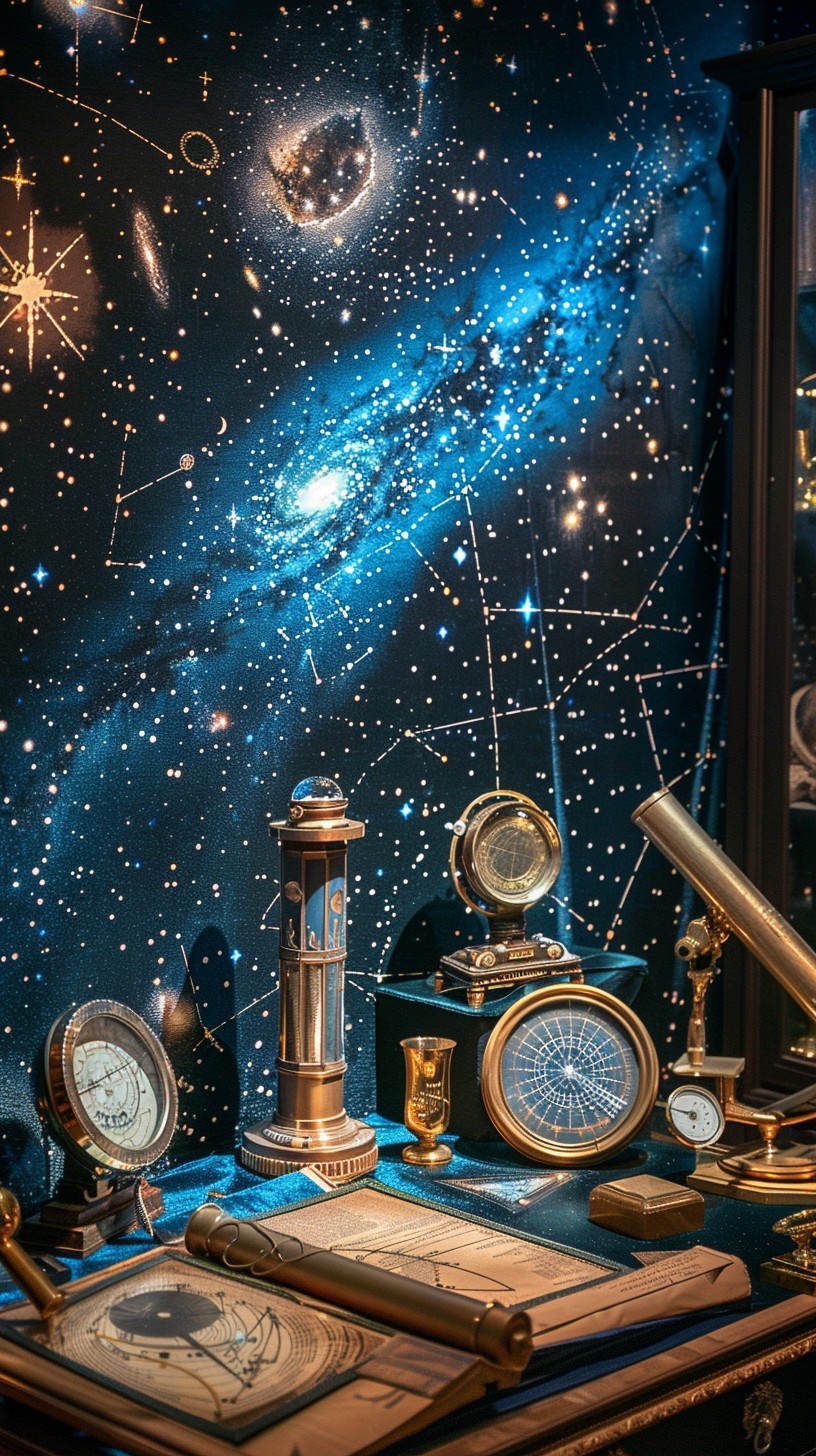
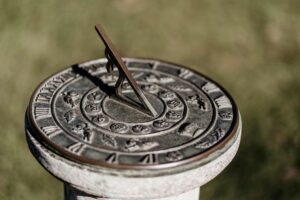
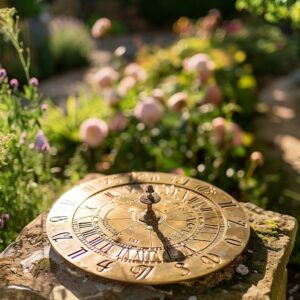
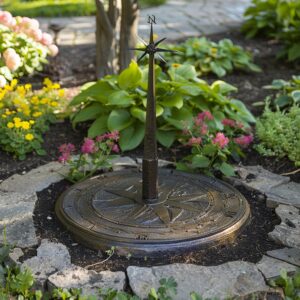
Before I waddle into the history of watches, I think it would be more appropriate to start of on How people use to tell the time? It began around 3500 BCE in Egypt and Mesopotamia where a tall vertical or diagonal-standing object called a gnomon was placed and using shadows from the sun led to the famous sundials. This form of time telling was relatively accurate but not much of use without the sun (not only at night but also during rainy/cloudy days). Man then moved into the use of water to tell time to resolve the problem of when there is no sun. This was known as clepsydra where time was determined by the even and gradual flow of water from a marked container to an empty container allowing the person to tell how much time has lapsed.
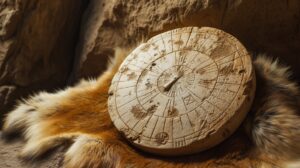
Archaeological evidence strongly suggests that the Babylonians and the Egyptians began measuring time at least 5000 years ago thus introducing calendars that were primarily used to regulate planting and harvesting of crops, determining shipment of goods, and even to organize some communal activities & public events. The Babylonian, Egyptians, Chinese and Mayan, each with their sophisticated astronomical observation & calendrical systems prove to be the most renowned father or time. There are through history a number of other methods of telling time including the moondial, merkhet (star clock), candle clock, lantern clock, hourglass, and the congreve clock (patented in 1808 by Sir William Congreve).
Figuring out the time these days is easy whether we are looking at clocks or wristwatches or even through our phones and other devices. By the 13th Century the European Monasteries had mechanical clocks installed, driven by weights, these large pieces were installed in church towers and public buildings.
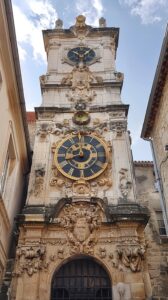
The invention of the watch itself began in the 15th century and cannot be attributed to any single individual as it was a result of multiple inventors over time. This was of course after the invention of the clock mechanism in the late 13th and early 14th century. The more notable inventors of clocks were Richard of Wallingford (1292-1336), an English monk and abbot of St. Albans, who designed and constructed an advanced astronomical clock. He was succeeded by Giovanni de Dandi (1318-1389), an Italian physician and clockmaker who built the Astrarium.
Peter Henlein (1479/1480-1542), a German locksmith and clockmaker was credited with the creation of some of the first timepieces known as Nuremberg Eggs. These timepieces were small, spring-driven and portable. During the late medieval period, this development laid the groundwork for the invention of what we now term watches. The Renaissance period saw significant advancements in science, technology and craftsmanship which benefited the development of more accurate and reliable watches.
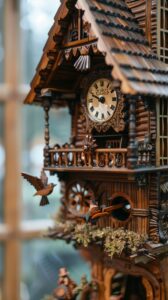
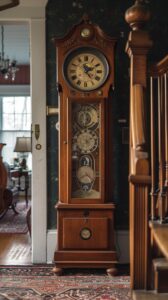
John Harrison (1693-1776), an English carpenter and clockmaker became prominent for his work on marine chronometers which thus allowed sailors to determine longitude whilst at sea. This became crucial for accurate navigation and his advancement on precision timekeeping indirectly influenced the development of more accurate watches.
In 1927, the invention of quartz crystal oscillators brought even greater precision to timekeeping. These Quartz Clocks became widespread due to their reliability and affordability, not to mention their ability to be movable with ease. In 1949, the first atomic clock was built using the vibrations of atoms (usually cesium or rubidium) to keep time. These are incredibly accurate to modern versions, losing only about one second in millions of years; this was essential for GPS and various scientific applications. Finally Optical clocks (21st century), which use lasers to measure the vibration of atoms or ions at optical frequencies offer an even higher precision than atomic clocks and are at the forefront of current timekeeping research.
Although Peter Heinlein is often credited with the invention of the portable timepiece, it is important to recognise that the evolution of timekeeping devices was a gradual process involving many inventors and innovations over the centuries, beginning with ancient methods of timekeeping to 21st century optical clocks, increasing accuracy tremendously.