

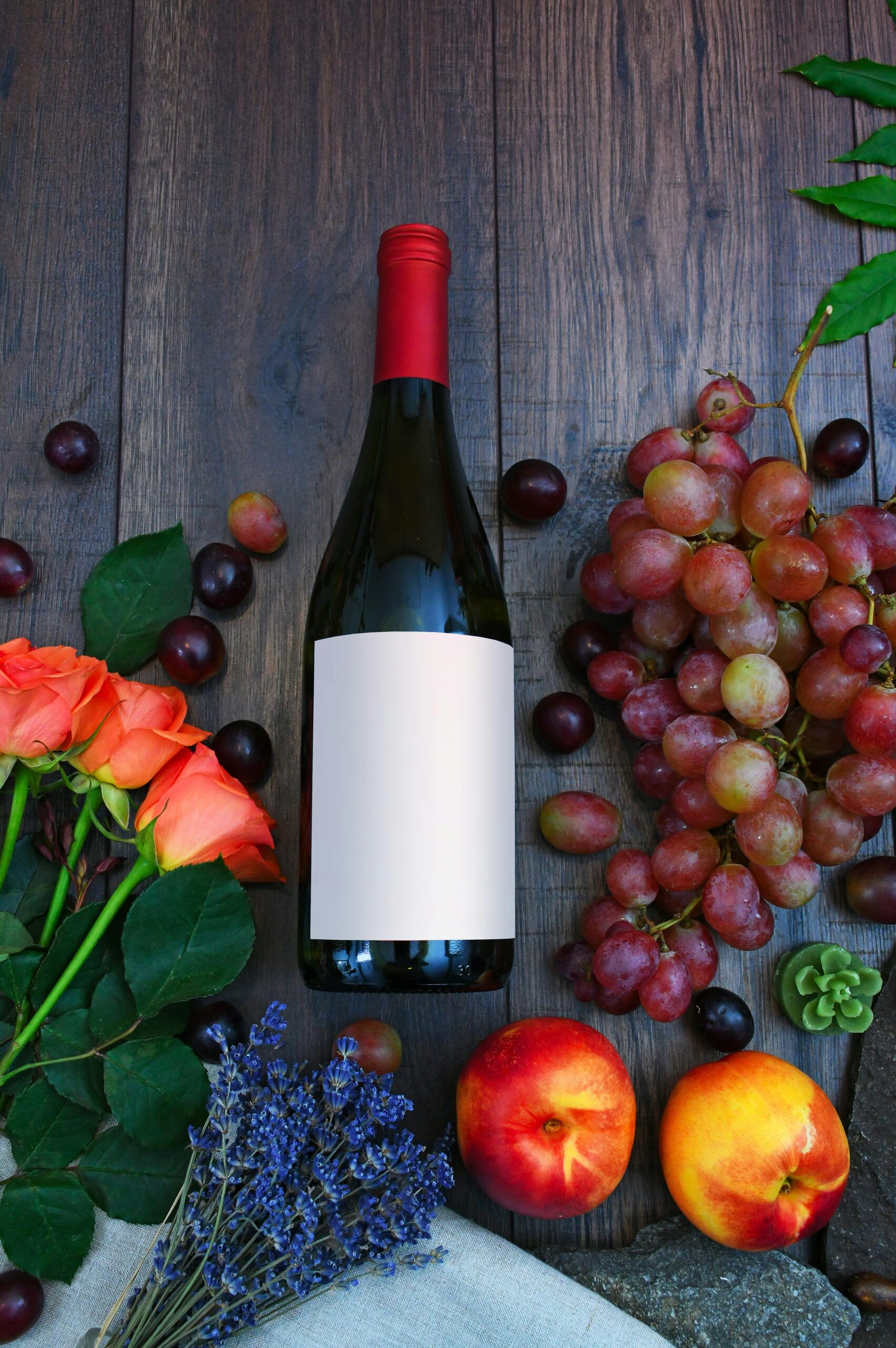
The English word ‘wine’ comes from an early borrowing of the Latin word vinum. The history of wine spans thousands of years and is closely intertwined with human civilization and culture. The earliest known traces of wine are from Georgia (6000 BCE), Iran [now known as Persia] (5000 BCE), Armenia (4100 BCE) and Sicily (4000 BCE). Wine reached the Mediterranean Basin in the early Bronze Age and was consumed throughout history for its intoxicating effects mainly for celebrations by ancient civilizations like Greece and Rome. The earliest known evidence of wine production dates back to a region now known as Georgia around 6000 BCE where both archaeological & genetic findings included ancient pottery with residual traces of grape wine.

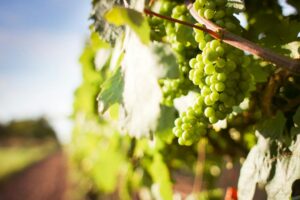
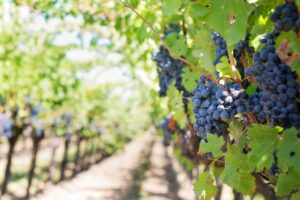
The altered consciousness of wine has been considered religious since its origin. The ancient Greeks worshipped Dionysus (the God of wine-making, orchards and fruit, vegetation, fertility, festivity, insanity, and theatre). His discovery of viticulture at Mount Nysa was rewarded as the God of Wine also known as Bachus. This cult was carried on by the ancient Romans. The consumption of ritual wine (probably sweet wine originally) was part of a Jewish practice since Biblical times, also commemorating Jesus’ Last Supper (incorporated in it) wine became even more essential to the Christian Church. The Biblical book of Genesis first mentions the production of wine by Noah following the Great Flood (between 5th and 3rd Century BCE).
Albeit Islam nominally forbade the production or consumption of wine, Geber (Jabir Ibn Hayyan – an Islamic alchemist) pioneered wine’s distillation for medicinal and industrial (in the form of perfume) purposes. Wine production and consumption increased beginning 15th century CE as part of the European expansion. This is despite the grape phylloxera (an insect pest of grapevines worldwide) in 1887.
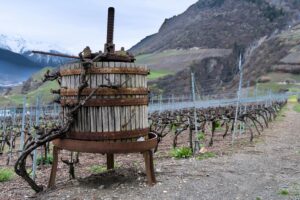
The earliest known winery from 4100 BCE is the “Areni-1” cave in Vayots Dzor, Armenia. The earliest evidence of fermented alcoholic beverages of rice, honey & fruit which is sometimes compared to wine was claimed in China around 7000 BCE. This winery site contained a wine press, fermentation vats, jars, and cups. Archaeologists also found vitis vinifera seeds and vines. This grape is still used to make wine.

There are various types of wine:-
- Red Wine – made from blue grapes with its skin
- White Wine – made from green grapes or destemmed blue grapes without skin
- Rose Wine – blue grapes incorporating some of the colour from the grape skins but not enough to qualify as Red Wine.
- Orange Wine – green grapes with skin.
- Sparkling Wine – made from both green and blue grapes
- Champagne – a form of Sparkling Wine that originated in France
- Fortified Wine – wine with a higher alcohol content
- Ice Wine – wine with low alcohol content and a sweet taste
- Dessert Wine – wine served with dessert
Though these categories are similar, they are indeed different. In General the type of grape and the amount of skin contact determines the colour and style of the wine. Wines however are not limited to grapes alone but other fruits as well, for example, apple (apple wine), honey (honey wine), starch (barley wine/ rice wine). These are generically called fruit wine or vin de pays (a French term). Most fruits naturally lack either sufficient fermentable sugars, proper amount of acidity, sufficient yeast to promote or maintain fermentation, or a combination, this is in comparison with the suitability of grapes.
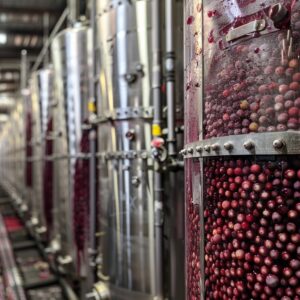
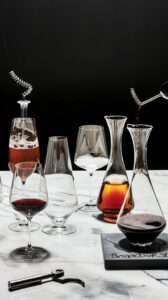
In the United States of America, for a wine to be vintage-dated, and labelled with a country of origin or American Viticulture Area (AVA), 95% of its volume must be from grapes harvested that year. If it is not labelled with a country of origin or AVA, the percentage is reduced to 85%. These wines are generally bottled in a singular batch resulting in each bottle producing a similar taste.
Significant changes on the character of a wine from the same vineyard could be due to climate. Thus vintage wines are produced to be individually characteristic of the particular vintage and serve as the flagship wines of the producer. Superior vintages from reputable producers and regions will often command much higher prices than their average ones. Non-vintage wines can be blended from more than one vintage to help wine-makers sustain a reliable market image and maintain sales revenue.
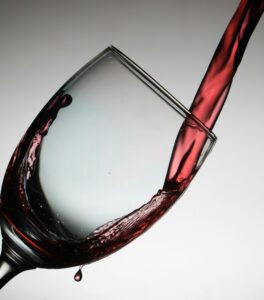
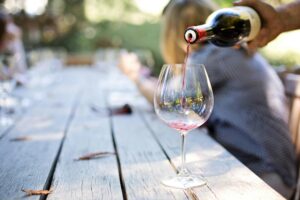
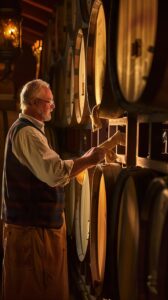
Wine tasting is the sensory examination and evaluation of wine. The sweetness is determined by the amount of residual sugar in the wine after fermentation relative to the acidity present in the wine. Dry wine has a small amount of residual sugar. Some wine labels suggest opening the bottle and letting the wine ‘breathe’ for a few hours before serving, this method is known as decanting (where the wine is poured into a special container just for breathing). Decanting with a filter allows the removal of bitter sediments (more common in older wine) that may have been formed in the wine. During aeration, (more suitable for younger wine) the exposure to air often ‘relaxes’ the drink; making it smoother and better integrated in aroma, texture and flavour. Aeration is not recommended for older wine as it tends to fade (loss of character and flavour intensity).

Experienced tasters can distinguish flavour characteristics of a specific grape and flavours that result from other factors (including some intentional elements like chocolate, vanilla or coffee). Other points to note are the vertical and horizontal tasting, where in the latter, the wines are from the same vintage but different wineries. Wine aroma comes from volatile compounds released in the air, vaporisation of these compounds can be accelerated by twirling the glass or serving the wine at room temperature. Many drinkers however prefer to chill red wines like Chinon and Beauolais. In discussing the temperature of wines, different types are recommended at different temperature, for example, White Wine -13℃ / 55℉, Red Wines however are perceived best served chambre (room temperature) like Pinot Noir at 16℃ / 61℉ or at 18℃ / 64℉, Cabaret Sauvignon, Zinfandel and Rhone at 18℃ / 64℉ or 21℃ / 70℉.
Outstanding vintages from the best vineyards may sell for thousands per bottle. Fine wine covers USD 30 to USD 50 and investment wines are considered as Veblen goods (valuable). The most notable was a ‘Chateau d’Yquem’, a 135 year old vertical, containing every vintage from 1860 to 2003 which was sold for USD 1.5 million. The most common wines purchased for investments include Bordeaux and Burgundy (cult wines), scored highly by Robert Parker who is a retired American wine critic, from Europe and elsewhere, Port wine (wine produced in Douro Valley of North Portugal – a sweet red wine).
Characteristics of highly collectible wines include a proven track record of holding well over time, a long drinking-window plateau (period for maturity and approachability), consensus among experts on quality of the wine, and a vigorous production method at every stage including grape selection and barrel ageing.